When the Liquor is artificially taken outside of wine to make a very low or no-alcohol solution, the outcomes is usually dreadful. Other than losing quite a lot of flavour, you might be still left with unpleasant, slim specimens pretending to become wine.
There is absolutely no problem, that by taking away Liquor Additionally you eliminate flavour, so why are wine producers beginning to make this happen? The rationale could be the desire from powerful supermarkets for minimal Alcoholic beverages or lessened Alcoholic beverages wines. If these supermarkets are requesting this, they needs to have excellent purpose to take action, i.e. the public have to be demanding it of them.

Probably It's not a lot of a public demand, but extra of a concern, a 'inexperienced' difficulty, an 'anti-Alcoholic beverages' issue or perhaps a 'Secure driving' situation, with a bit of political correctness thrown in. All people wants to stir matters up for a hundred and one particular good reasons, but why with wine? Mainly because it is made up of the dreaded Liquor!
Wine, or ought to I say the wine business, will not really need being 'stirred up', it's been taking place just great for centuries with minimal 'oak and chrome steel' tweaks here, and 'yeast and nutrient' tweaks there, but nothing main like taking away A great deal of its alcohol. Surely wine is not wine without having its Alcoholic beverages!
Two solutions for taking away or decreasing alcohol
The spinning-cone approach - Australian winemakers getting that their Excess fat, buttery chardonnays had been far too impressive, endorsed this process so they may generate very low Alcoholic beverages versions of those major wines. But what they soon found out was that once you eliminate the Liquor, you also clear away Considerably from the flavour at the same time. So because they cured one particular trouble, they created A further.
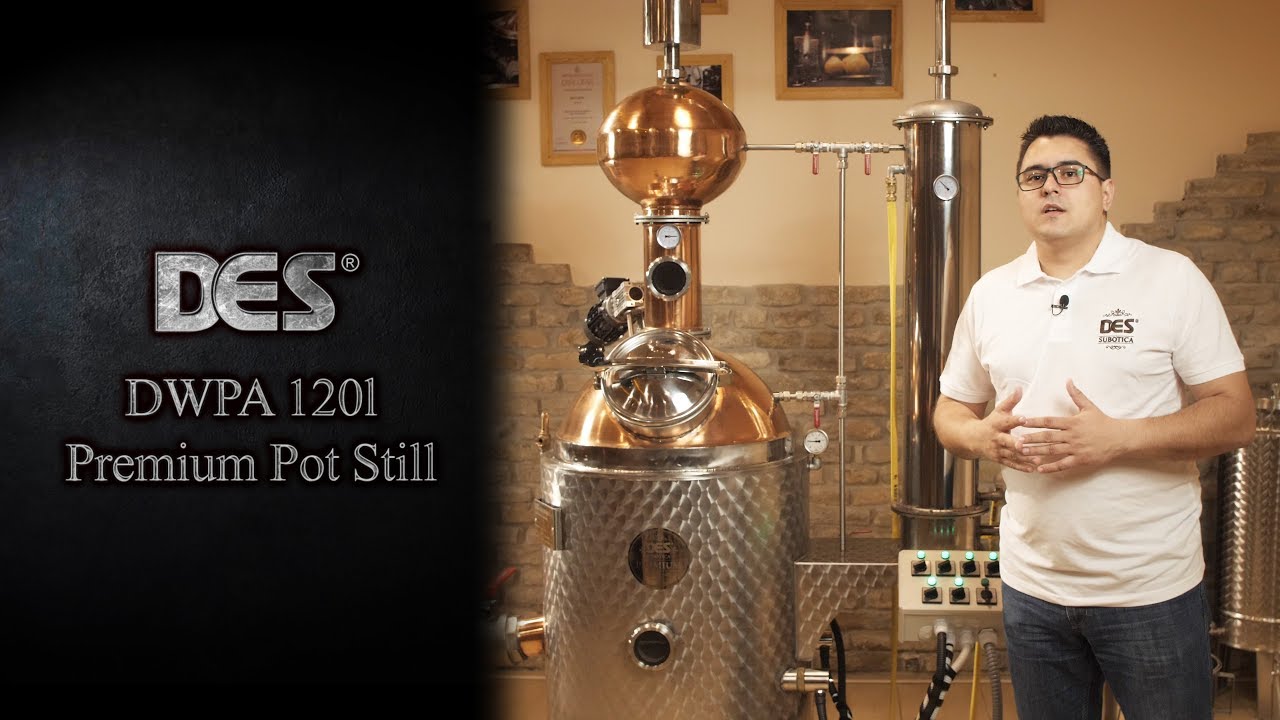
The second strategy referred to as reverse osmosis, allows to remove a mixture of drinking water and Alcoholic beverages through the wine by passing it via a filtration program. This mixture is then distilled, ridding it of some Liquor, precisely what is remaining is then reunited with the initial sample. This decrease alcohol wine can now be blended again into the key wine, and so diluting the general power.
When these de-alcoholised wines very first grew to become out there some decades ago, they ended up made by the reverse osmosis approach. All those wellbeing mindful buyers keen to limit their Alcoholic beverages consumption had been confronted with an insipid, pale-yellow foul tasting liquid mimicking a wine. Disliking this new kind of 'balanced' wine, they sought the delights of other https://grandmatriarch.com.au/my-account/ fruit juices as well as water in its place.
Those wine drinkers with discerning palates, eager to preserve within the bounds of weekly wine use (21 models for Women of all ages and 28 models for men), started to look for out wines which were The natural way lower in Liquor. Some of these wines come from awesome weather winegrowing parts like the Rhine and Mosel regions in Germany and northern Italy.
Advice is usually to stay with wines that happen to be By natural means lower in Alcoholic beverages, around four-9 for each cent alc. rather than deciding on ones that were artificially diminished. Alternatively, why not merely persist with drinking one or two Eyeglasses of your favourite characterful, comprehensive-toughness wines Just about every evening, as opposed to 3 or 4 lightweights.